
India is a country with a rich and varied cultural heritage, and its historical monuments are a testament to this legacy. From the grandeur of the Taj Mahal to the intricacy of the Khajuraho temples, these monuments offer a glimpse into India’s past and its many different art forms.One of the most famous historical monuments in India is the Taj Mahal, located in the city of Agra. Built in the 17th century by the Mughal emperor Shah Jahan in memory of his beloved wife Mumtaz Mahal, the Taj Mahal is a masterpiece of Mughal architecture. The white marble structure is adorned with intricate carvings and inlaid with precious stones, and its symmetrical design is a marvel of engineering.Another famous monument is the Red Fort in Delhi, which was built by the Mughal emperor Shah Jahan in the 17th century..
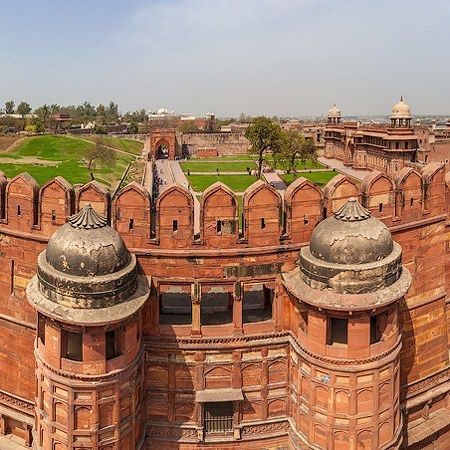
Agra Fort
The Agra Fort is a UNESCO World Heritage Site located in the city of Agra, Uttar Pradesh, India. It was built by the Mughal emperor Akbar in the 16th century and was later expanded by his grandson Shah Jahan. The fort is made of red sandstone and is a prime example of Mughal architecture.The fort has a number of impressive structures, including the Jahangir Mahal, the Khas Mahal, and the Sheesh Mahal. The Jahangir Mahal is a three-story structure that was built for Jahangir, Akbar’s son and successor. The Khas Mahal is a white marble structure that was used as the emperor’s private residence. The Sheesh Mahal, or “Palace of Mirrors,” is a beautiful hall that is adorned with intricate mirror work.
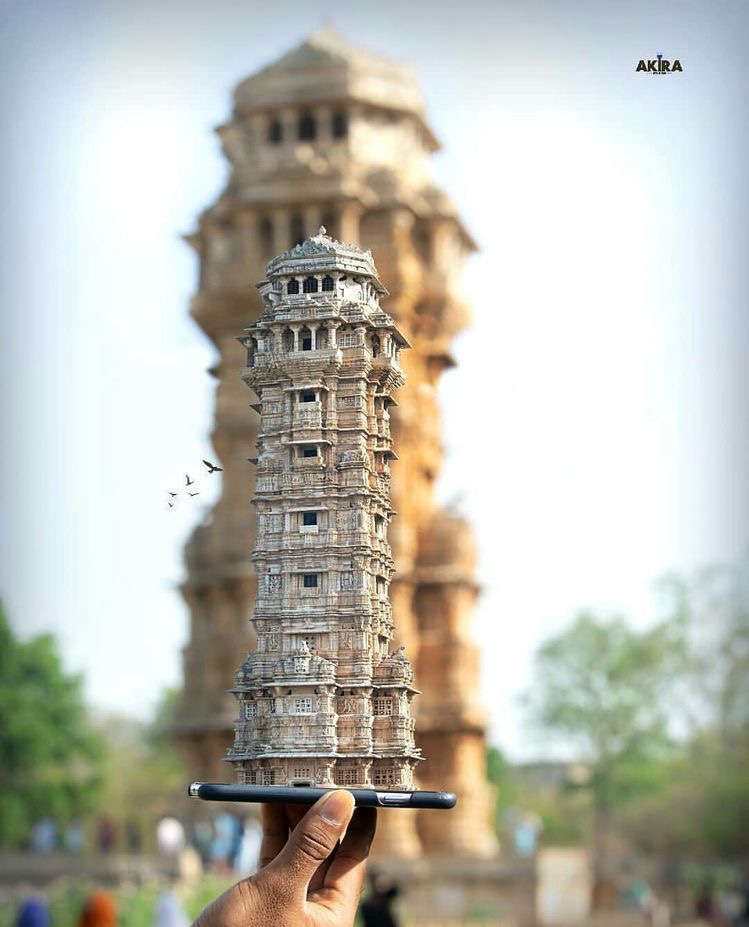
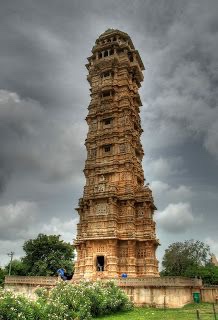
Vijay Stambh
The Vijay Stambh, or the Tower of Victory, is a stunning monument located in the city of Chittorgarh, Rajasthan, India. It was built in the 15th century by the Rajput king Rana Kumbha to commemorate his victory over the Muslim ruler of Malwa, Mahmud Khilji. The tower is a symbol of Rajput valor and bravery and is an important part of India’s cultural heritage.The Vijay Stambh is a nine-story tower that stands at a height of 37 meters. It is made of red sandstone and is adorned with intricate carvings and sculptures. The tower is a fine example of Rajput architecture and is a testament to the skill and craftsmanship of the artisans of that era.
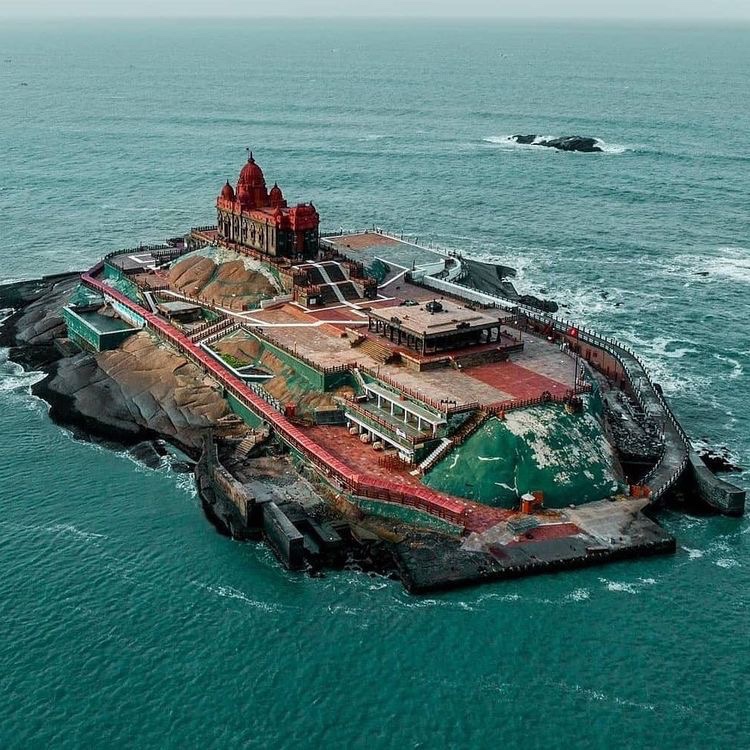
Vivekananda rock memorial
The Vivekananda Rock Memorial is a stunning monument located on a small island off the coast of Kanyakumari, Tamil Nadu, India. The memorial was built in honor of Swami Vivekananda, a famous Indian philosopher and spiritual leader who played a key role in the revival of Hinduism in India.
The Vivekananda Rock Memorial is situated on a rock formation that juts out into the sea. The memorial is made of granite and is designed in the traditional Indian style of architecture. It is a beautiful and awe-inspiring structure that attracts visitors from all over the world.The memorial was built in 1970 and is a tribute to the life and teachings of Swami Vivekananda. The monument consists of two main structures, the Vivekananda Mandapam and the Shripada Mandapam. The Vivekananda Mandapam is a meditation hall that is situated at the center of the memorial. The hall is designed to resemble a lotus flower and is a beautiful and peaceful space for meditation and reflection.
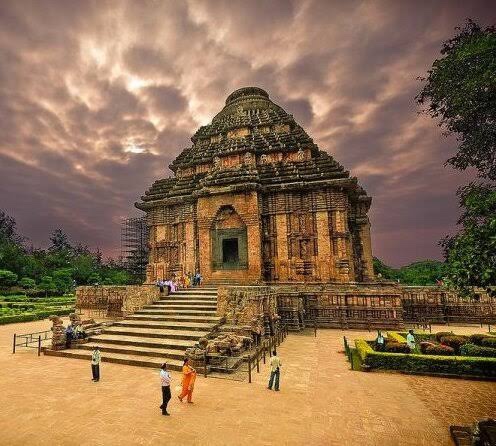
Konark Sun Temple
The Konark Sun Temple is a 13th-century temple dedicated to the Hindu Sun God, Surya. It is located in the state of Odisha, India, and is one of the most famous temples in the country. The temple is designed in the shape of a chariot with twelve wheels, pulled by seven horses, and is known for its intricate carvings and sculptures.The temple was built by King Narasimhadeva I of the Eastern Ganga Dynasty in the 13th century and is a UNESCO World Heritage Site. The temple was designed to represent the chariot of the Sun God, with the twelve wheels representing the twelve months of the year and the seven horses representing the seven days of the week.
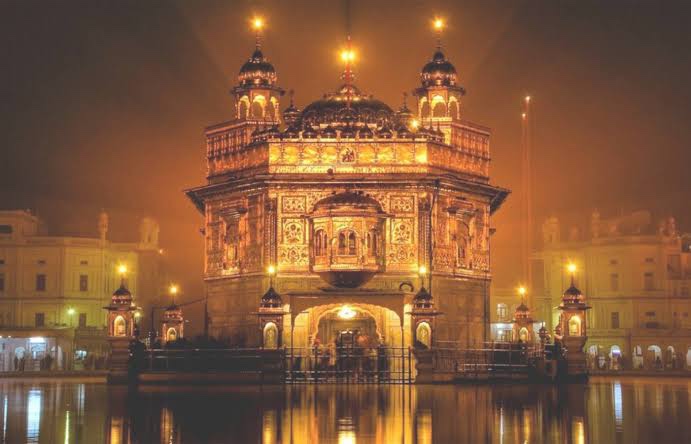
Golden Temple
The Golden Temple, also known as Harmandir Sahib, is a Sikh temple located in the city of Amritsar, Punjab, India. The temple is the holiest shrine in Sikhism and is considered to be one of the most important pilgrimage sites in the world. It is known for its stunning architecture, beautiful golden dome, and peaceful atmosphere.The temple was founded in the 16th century by Guru Ram Das, the fourth Sikh Guru, and was completed by his successor, Guru Arjan Dev. The temple is built on a man-made pool, known as the Amrit Sarovar, which is believed to have healing powers. The temple complex also includes several other buildings, including a museum and a community kitchen, which serves free meals to thousands of visitors every day.
The temple is covered in gold leaf and is surrounded by a white marble courtyard, which is open to people of all faiths. The temple is known for its stunning architecture, which combines elements of Indian and Islamic design. The temple is also known for its beautiful music, which is played by musicians throughout the day.
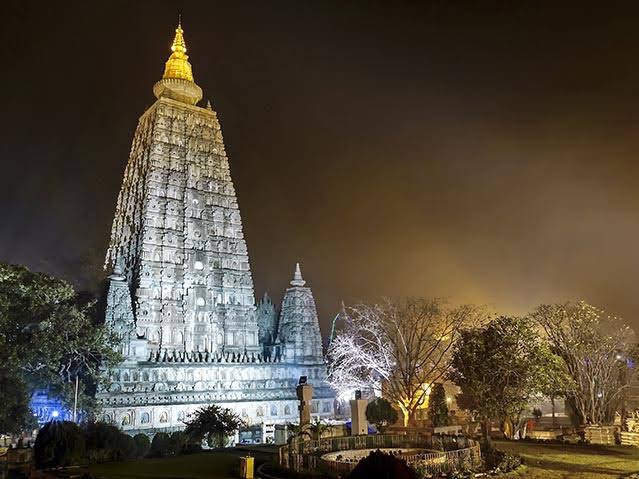
Mahabodhi Temple
The Mahabodhi Temple is a Buddhist temple located in Bodh Gaya, Bihar, India. It is one of the most important pilgrimage sites for Buddhists and is believed to be the place where the Buddha attained enlightenment. The temple is a UNESCO World Heritage Site and is considered to be one of the most sacred places in the world.The temple was built in the 3rd century BCE by Emperor Ashoka and was later restored in the 5th and 6th centuries CE. The temple is built around the Bodhi Tree, which is believed to be the spot where the Buddha attained enlightenment. The temple complex also includes several other buildings, including a large meditation hall and several smaller shrines.
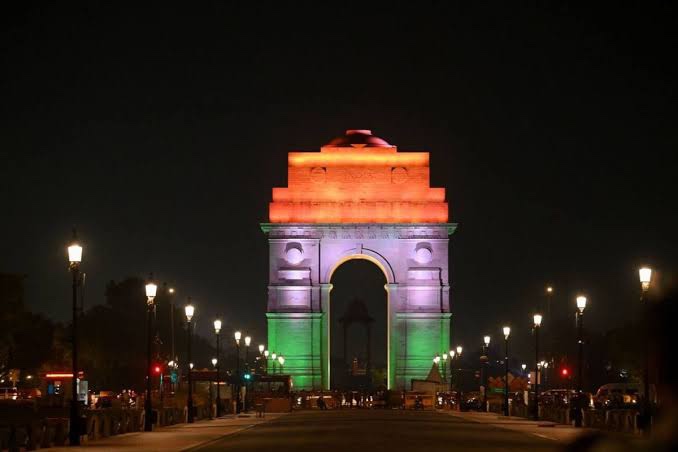
India Gate
India Gate is a war memorial located in the heart of New Delhi, India. It is one of the most iconic landmarks in the city and is a must-visit destination for anyone traveling to Delhi. The monument was built in 1931 to commemorate the Indian soldiers who died in World War I and the Afghan Wars.The monument is a 42-meter-tall archway, which is modeled after the Arc de Triomphe in Paris. The archway is made of sandstone and is covered in intricate carvings and sculptures, which depict scenes from the Indian Army’s history. The monument is surrounded by a large park, which is a popular spot for picnics and outdoor activities.
India Gate is also known for its stunning light show, which takes place every evening. The monument is illuminated with colorful lights, which create a beautiful and mesmerizing effect. The light show is a popular attraction for tourists and locals alike and is a must-see for anyone visiting Delhi.India Gate is a symbol of India’s rich history and culture and is a testament to the bravery and sacrifice of the Indian soldiers who fought in the wars. It is a peaceful and inspiring place that offers visitors a chance to connect with the country’s history and culture.
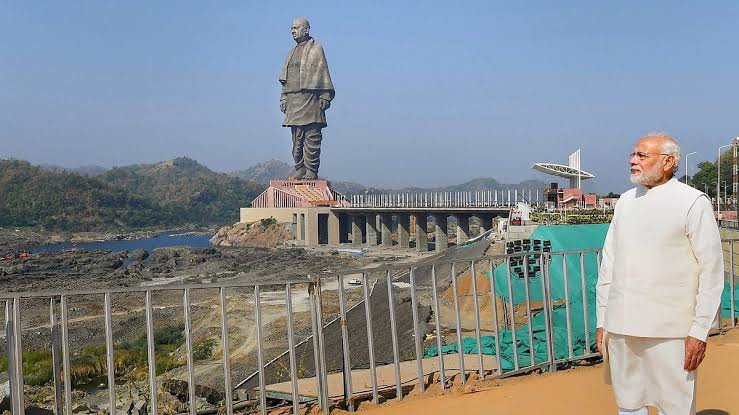
Statue Of Unity
The Statue of Unity is a colossal statue located in the Indian state of Gujarat. It is the tallest statue in the world and is dedicated to Sardar Vallabhbhai Patel, who was a prominent leader in India’s struggle for independence. The statue was unveiled in 2018 and has quickly become one of the most popular tourist attractions in India.The statue stands at a height of 182 meters and is made of bronze. It is located on a small island in the Narmada River and is surrounded by a beautiful natural landscape. Visitors can take a boat ride to the island and explore the statue and the surrounding area.
The statue is a symbol of India’s unity and strength and is a tribute to one of the country’s most beloved leaders. It is a stunning work of art and engineering and is a testament to India’s rich cultural heritage. The statue is also a popular destination for adventure enthusiasts, as it offers a range of activities such as hiking, rock climbing, and zip-lining.The Statue of Unity is a must-visit destination for anyone traveling to India. It is a stunning and inspiring monument that offers visitors a chance to connect with the country’s history and culture. It is a symbol of India’s progress and unity and is a testament to the country’s bright future.
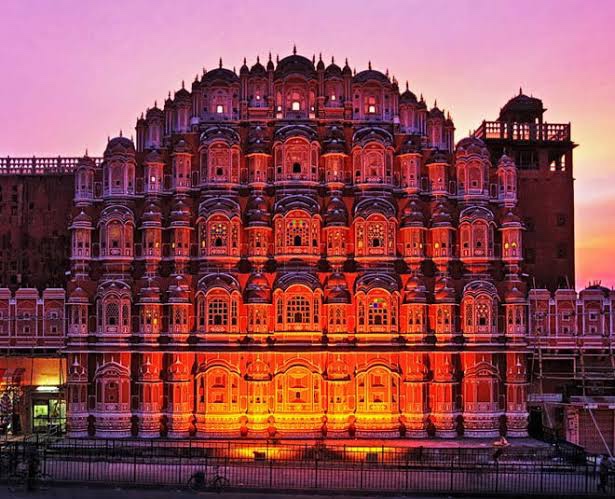
Hawa Mahal
Hawa Mahal, also known as the Palace of the Winds, is a stunning palace located in the heart of Jaipur, India. It is one of the city’s most iconic landmarks and is a must-visit destination for anyone traveling to Jaipur. The palace was built in 1799 and was designed to allow the royal ladies to observe the street life without being seen by the public.The palace is a five-story structure made of red and pink sandstone. It is known for its intricate latticework and ornate carvings, which make it one of the most beautiful palaces in India.Hawa Mahal is a symbol of Jaipur’s rich history and culture and is a testament to the city’s architectural heritage. It is a peaceful and inspiring place that offers visitors a chance to connect with the country’s history and culture.
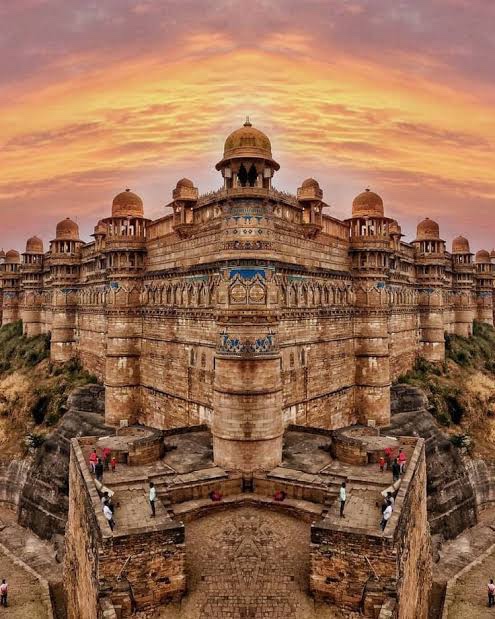
Gwalior Fort
Gwalior Fort is a symbol of India’s rich history and culture and is a testament to the country’s architectural heritage. It is a peaceful and inspiring place that offers visitors a chance to connect with the country’s history and culture. The fort is also a popular destination for adventure enthusiasts, as it offers a range of activities such as hiking, rock climbing, and zip-lining.Gwalior Fort is a must-visit destination for anyone traveling to Madhya Pradesh. It is a stunning and inspiring monument that offers visitors a chance to connect with the country’s history and culture.
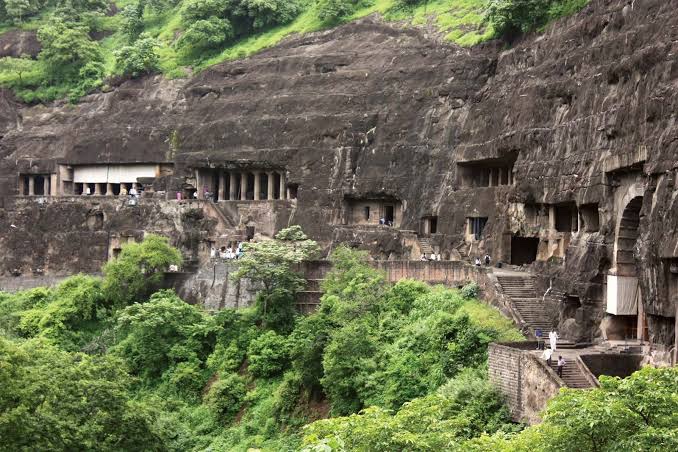
Ajanta Caves
The Ajanta Caves are a group of 30 rock-cut Buddhist cave monuments located in the Indian state of Maharashtra. The caves were built between the 2nd century BC and the 6th century AD and are a testament to India’s rich cultural heritage. They are a UNESCO World Heritage Site and are one of the most popular tourist destinations in India.The caves are known for their stunning paintings and sculptures, which depict the life of Buddha and other Buddhist deities.The Ajanta Caves are a symbol of India’s rich history and culture and are a testament to the country’s artistic heritage. They are a peaceful and inspiring place that offers visitors a chance to connect with the country’s history and culture.
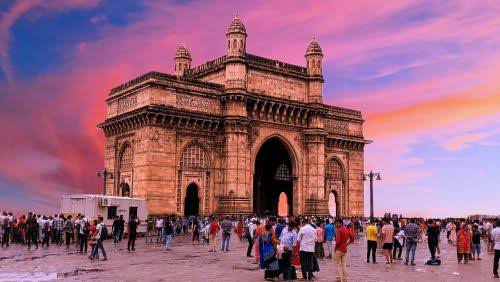
Gate Way Of India
The Gateway of India is a historic monument located in the city of Mumbai, India. It was built in 1924 to commemorate the visit of King George V and Queen Mary to the city. The monument is an iconic symbol of Mumbai and is one of the most popular tourist destinations in India.The Gateway of India is an impressive structure that stands at a height of 26 meters. It is made of basalt and concrete and features a combination of Hindu and Muslim architectural styles. The monument is surrounded by the Arabian Sea on three sides, which adds to its beauty and grandeur.
Conclusion
In conclusion, India’s historical monuments are a symbol of the country’s rich cultural heritage and are a testament to its progress and unity. They are a source of inspiration and pride for the people of India and are a must-visit destination for anyone traveling to the country. The Ajanta Caves and the Gateway of India are just two examples of the many historical monuments that can be found in India.
:Designed & Developed by ~ Abhinav Pratap Singh
 Historical Monuments Of India